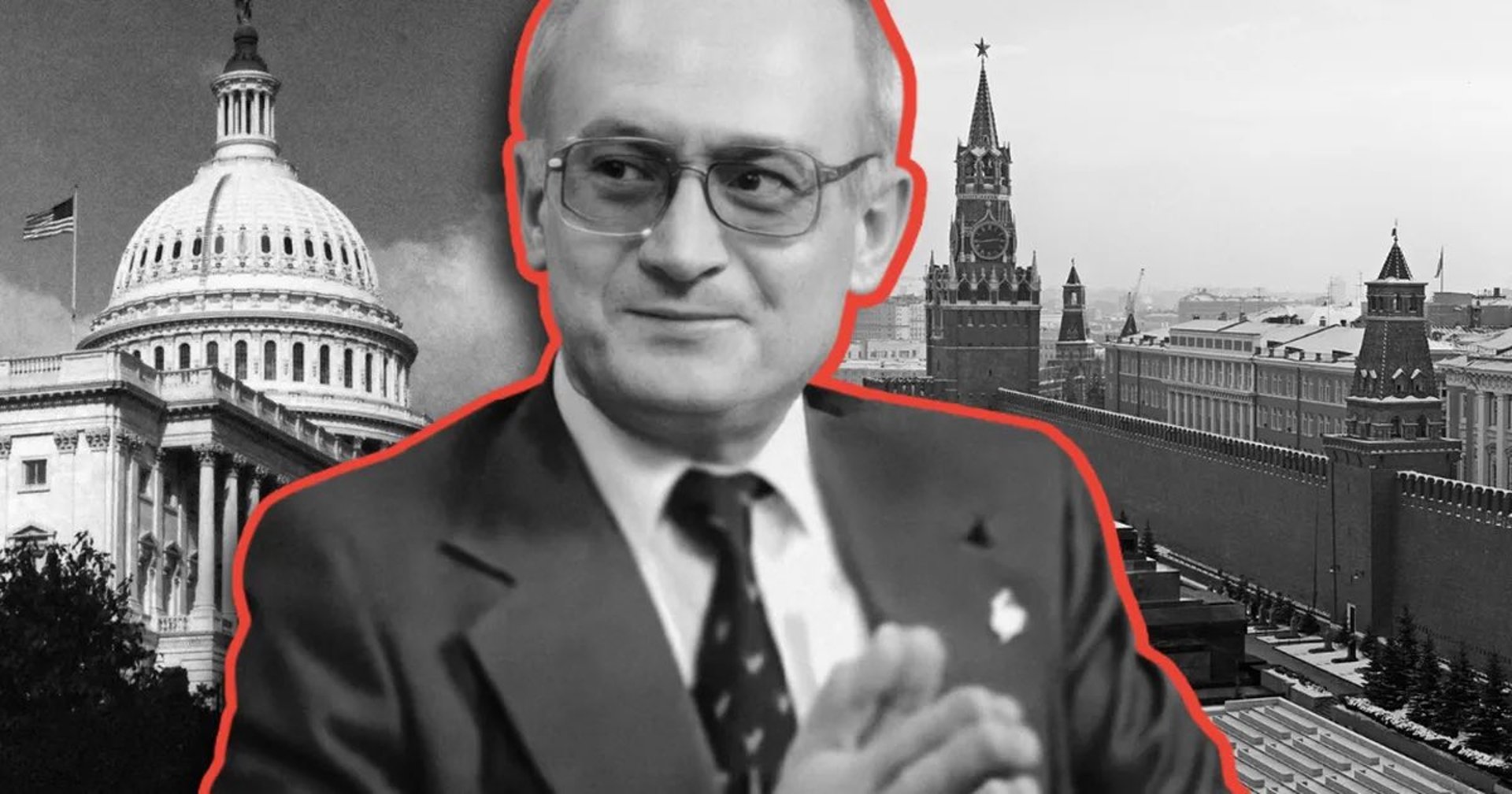
“The main emphasis of the KGB is not in the area of intelligence at all. Only about 15% of time, money, and manpower is spent on espionage as such. The other 85% is a slow process which we call either ideological subversion, active measures, or psychological warfare. What it basically means is: to change the perception of reality of every American to such an extent that despite the abundance of information, no one is able to come to sensible conclusions in the interest of defending themselves, their families, their community, and their country.”
1. Demoralization (15-20 years):
This phase takes at least a generation, since that’s how long it takes to educate and indoctrinate a new group of people.
The goal is to erode the nation’s values, traditions, and institutions, making people unable to discern truth from propaganda.
Methods include:
- Education system infiltration – Teaching young people to resent their own country, institutions, and history.
- Media control – Promoting a narrative that weakens national unity and fosters division.
- Cultural subversion – Undermining traditional values (family, religion, patriotism).
- Political polarization – Encouraging class, racial, and ideological conflicts.
- Normalization of vice – Promoting excessive consumerism, drugs, moral relativism.
Effect: After demoralization, the population is confused, divided, and unable to critically assess reality.
2. Destabilization (2-5 years):
After successful demoralization, the next step is to weaken the nation’s key institutions so they cannot respond effectively to crises.
Focus areas:
- Economy – Encouraging reckless financial policies, inflation, and unsustainable welfare programs.
- Government dysfunction – Undermining trust in political institutions and leaders.
- Law enforcement & military – Weakening security forces by discrediting them or cutting funding.
- Social unrest – Encouraging civil strife, strikes, and protests.
Effect: Society becomes fragmented and unstable, with citizens losing faith in leadership and the economy faltering.
3. Crisis (A few months):
This is the turning point, where an artificial or real crisis (economic collapse, political coup, war, pandemic, riots, etc.) pushes the country into chaos.
Possible triggers:
- Financial collapse – Stock market crashes, hyperinflation, or bank runs.
- Political upheaval – Mass protests, civil disobedience, or government paralysis.
- Terrorism or war – External conflicts or internal insurrection.
- Health emergencies – A pandemic or national emergency leading to sweeping government control.
Effect: The country is in a state of emergency, and people are desperate for stability—even at the cost of their freedoms.
4. Normalization (Indefinite):
This stage solidifies the new power structure. The term “normalization” was used by the Soviets after they crushed uprisings in Eastern Europe.
What happens:
- A new government or ideology takes hold.
- Political opposition is silenced—critics are censored, arrested, or exiled.
- Mass surveillance and control—citizens accept new restrictions in exchange for stability.
- The public adapts—people become accustomed to the new reality, even if it means less freedom.
Effect: The country is no longer the same, and the people either accept it or are powerless to resist.