
USS Gerald R. Ford Arrives in St. Thomas Amid Rising Tensions in Venezuela
SITREP
Conflict Dispatch
12/1/20258 min read
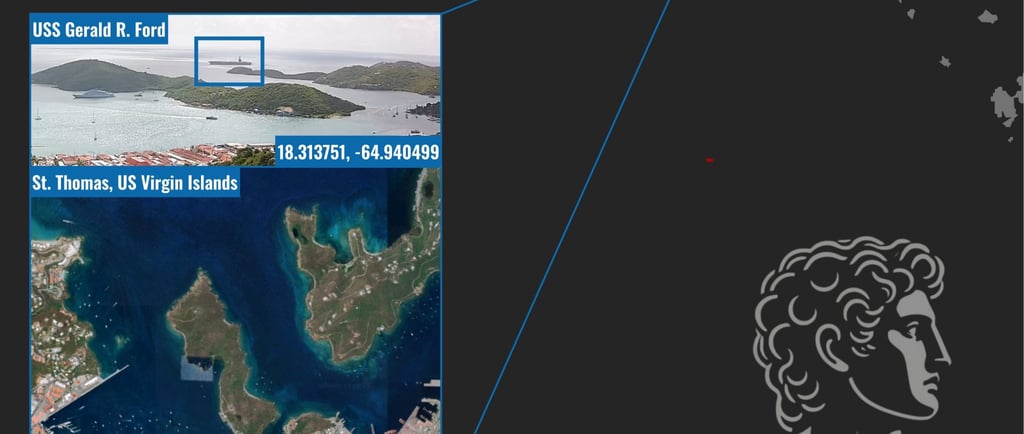
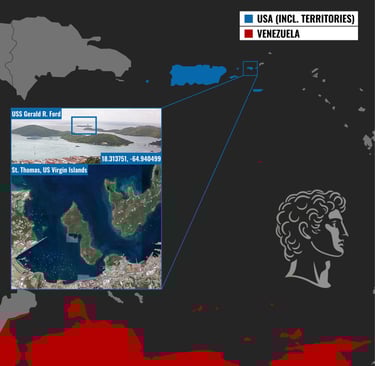
Arrival of USS Gerald R. Ford in St. Thomas
The USS Gerald R. Ford, the latest class of aircraft carrier in the U.S. Navy, arrived in St. Thomas, US Virgin Islands, delivering significant implications for both U.S. interests and regional security in the Caribbean. This sophisticated vessel, equipped with advanced technology and combat capabilities, acknowledges the strategic necessity for a naval presence in this geopolitically tense area, particularly in light of the rising tensions in Venezuela. The deployment of such a formidable asset underscores the U.S. commitment to safeguarding stability in its surrounding territories.
The significance of the USS Gerald R. Ford's arrival can be viewed through the lens of deterrence. As tensions escalate in Venezuela due to internal unrest and external pressures, the presence of an advanced naval force serves as a visual and tangible signal of U.S. readiness to respond to potential threats. Such military deployments are not casual exercises; they embody a calculated strategy aimed at illustrating U.S. resolve and maintaining influence across the Caribbean region. By reinforcing its maritime capabilities, the United States seeks to reassure allies and deter adversaries at a time when regional dynamics are rapidly evolving.
Moreover, the USS Gerald R. Ford's operational readiness will enable it to respond to various scenarios, ranging from humanitarian assistance missions to military operations if necessary. The aircraft carrier's deployment is positioned not only as a reflection of ongoing naval power projection but also as an assertion of U.S. interests in maintaining maritime security. Other regional players may interpret this presence as a commitment to maintaining the balance of power, thus influencing their strategic calculations. In summary, the arrival of the USS Gerald R. Ford represents a multifaceted approach to solidifying U.S. military presence and preventing further escalation in the Caribbean amidst rising tensions.
Context of Venezuela's Political Crisis
Venezuela's political crisis, which has persisted for several years, is characterized by a power struggle between President Nicolás Maduro's government and various opposition factions. At the center of this turmoil is Maduro, who has been in power since 2013, following the death of his predecessor, Hugo Chávez. Maduro's administration has faced relentless criticism, both domestically and internationally, for allegedly undermining democratic institutions, suppressing dissent, and fostering widespread corruption.
The economic turmoil in Venezuela has exacerbated the political instability. Once one of the wealthiest countries in Latin America due to its vast oil reserves, the nation now grapples with hyperinflation, severe shortages of basic goods, and a staggering decline in living standards. The crisis has created a humanitarian catastrophe, with millions of Venezuelans facing acute food insecurity and inadequate access to healthcare services. According to reports, over 5.6 million Venezuelans have fled the country since 2014, seeking stability and better opportunities elsewhere.
The opposition has rallied around figures such as Juan Guaidó, who, in early 2019, declared himself interim president in a challenge to Maduro's legitimacy. Despite initial international support, including recognition from the United States and various Latin American countries, Guaidó has faced significant obstacles to consolidating power. The Venezuelan military, a crucial player in the crisis, has largely remained loyal to Maduro, complicating efforts for regime change.
International responses have varied, with some countries imposing sanctions on the Maduro regime to pressure it to engage in dialogue and address the concerning issues. However, independent assessments indicate that sanctions often exacerbate the suffering of the civilian population while failing to achieve substantial political change. Given these complexities, Venezuela’s crisis remains a significant focal point for regional security and stability, with the potential to impact neighboring nations profoundly.
Trump's Ultimatum to Maduro and Its Aftermath
On November 21, President Donald Trump conveyed a critical ultimatum to Nicolás Maduro during a telephone conversation. The essence of this ultimatum hinged on the demand for a swift transition of power in Venezuela, combined with a clear warning about the consequences of non-compliance. The geopolitical stakes surrounding this ultimatum are significantly heightened, given the ongoing economic and humanitarian crises within Venezuela. The expectation was for Maduro to step down, facilitating a more democratic governance structure in alignment with international calls for reform. However, the deadline articulated in the ultimatum passed without acknowledgment or any noticeable shift in Maduro's stance.
Following the expiration of this ultimatum, the United States took proactive measures to reinforce its position on the escalating situation. The U.S. government decided to implement a closure of its airspace over Venezuela, a move that underscores the increasing tensions and the perception of potential military intervention. This decision is indicative of the complexities inherent in international diplomacy regarding Venezuela and highlights an aggressive stance by the Trump administration in its foreign policy approach to the region.
The aftermath of this ultimatum has sparked significant debate and concern among international observers and regional actors. Critics argue that such unilateral actions could exacerbate the already dire circumstances faced by Venezuelans, further isolating the country politically. Conversely, supporters of the U.S.'s approach posit that a strong stance is necessary to deter Maduro's increasingly authoritarian measures. Ultimately, the failure to effectuate a peaceful transfer of power raises questions regarding the viability of current political strategies and the potential for future engagements by external players in Venezuelan affairs.
US Military Presence and Strategy in the Region
The strategic deployment of US military assets in the Caribbean, particularly near Venezuela, reflects a significant approach to addressing regional security concerns. The USS Gerald R. Ford, an advanced aircraft carrier equipped with cutting-edge technology, is currently positioned off the coast of St. Thomas. This deployment is part of a broader military strategy aimed at enhancing the United States' presence in the region. Accompanied by additional warships and marine units, the USS Gerald R. Ford plays a critical role in demonstrating US commitment to maintaining stability in an area experiencing profound geopolitical challenges.
The military capabilities of the USS Gerald R. Ford, including its air wing and extensive strike capabilities, provide a formidable deterrent against any hostile actions by the Venezuelan regime. In light of the escalating tensions stemming from Venezuela's political climate, the enhanced military presence serves dual purposes: ensuring regional allies feel supported while simultaneously exerting pressure on the Maduro government. The presence of more troops and naval vessels in the Caribbean exemplifies a proactive posture by the US, aimed at deterring aggression and fostering a secure environment for economic and political stability.
This strategic military approach is further emphasized by joint exercises conducted with allied nations, which bolster interoperability among forces and demonstrate a unified front against threats posed by regimes that undermine democratic values. The United States aims to not only protect its interests but also to support other countries in their efforts to promote stability and democratic governance in the region. As tensions continue to rise, the US military's strategic objectives become increasingly important, underscoring the need for a robust response to maintain regional order and peace in response to the Venezuelan crisis.
White House Stance on Potential Military Action
The ongoing crisis in Venezuela has prompted discussions within the White House concerning potential military intervention. Recently, the national security team convened to assess the volatile situation and explore response options. During this meeting, various senior officials evaluated the implications of military action, weighing the risks and benefits involved in such a course. The administration is particularly focused on the humanitarian crisis that has emerged in Venezuela, leading to significant displacement and suffering among its citizens.
While the military option remains on the table, the administration has made it clear that it prefers diplomatic and economic measures to address the situation. Officials emphasized the importance of working alongside allies and using sanctions to pressure the Venezuelan government without escalating tensions further. This approach aims to support the Venezuelan people and restore democratic governance without resorting to armed conflict. By applying diplomatic pressure, the White House hopes to encourage a peaceful transition of power, which aligns with its long-term foreign policy goals in the region.
The potential deployment of US troops has been a particularly contentious topic. Although some members of the military community advocate for such action to bolster regional stability, high-ranking officials within the administration remain cautious. They recognize the unpredictable nature of military engagement and the challenges it poses, particularly in a region already fraught with political unrest. As the situation develops, the White House continues to reevaluate its stance, ensuring that any decision made aligns with national security interests while prioritizing the welfare of Venezuelan citizens.
Political Reactions and Domestic Implications
The arrival of the USS Gerald R. Ford in St. Thomas has catalyzed significant political discourse concerning the U.S. administration's foreign policy approach toward Venezuela. As tensions in the region escalate, domestic reactions are varied, with key figures voicing their concerns and positions. Notably, Senate Democratic Leader Chuck Schumer has taken a prominent stance on this matter. He has expressed reservations regarding the administration's potential military engagement in Venezuela, raising the alarm about the implications such actions could have on U.S. military resources and foreign relations.
Schumer's concerns primarily revolve around the constitutionality and accountability of military actions without clear legislative endorsement. He asserts that any military engagement should be approached with caution, advocating for a war powers resolution to ensure that Congress retains its prerogative to declare war. This viewpoint underscores a crucial aspect of American governance, where the balance of power between the executive branch and legislative authority must be maintained, particularly when considering military operations abroad.
The political implications of the USS Gerald R. Ford's deployment extend beyond Schumer’s statements; they indicate a wider bipartisan trepidation regarding military expenditures and interventions in foreign conflicts. The public discourse surrounding military intervention has become increasingly relevant in the context of domestic policy, as citizens increasingly demand accountability and transparency from their elected officials. This situation opens up a broader discussion about the long-term consequences of such foreign interventions on American military and diplomatic strategies.
As the political landscape continues to evolve, the responses outlined by leaders like Schumer may shape the legislative actions taken concerning military engagements, particularly in volatile regions like Venezuela. The debate over a comprehensive response demonstrates the intricate relationship between domestic and international policies, with legislative leaders advocating for responsible governance that prioritizes peace and stability over military escalation.
Conclusion: The Future of US-Venezuela Relations
The arrival of the USS Gerald R. Ford in St. Thomas underlines the increasing military presence of the United States in the Caribbean, coinciding with rising tensions in Venezuela. This situation has raised essential questions regarding the future trajectory of US-Venezuela relations. The challenges posed by the Venezuelan crisis have drawn international attention, and the response from the US will significantly influence the regional stability of Latin America.
As the US navigates its options, two primary scenarios emerge: further military intervention or a renewed emphasis on diplomatic solutions. Military intervention may result in an immediate shift in power dynamics, yet it also risks exacerbating a humanitarian situation that is already dire. The repercussions of such actions could lead to unintended consequences, potentially igniting conflict and destabilizing neighboring countries. Furthermore, a military approach may foster anti-American sentiment within the region, complicating future relations with not only Venezuela but also with other Latin American nations.
On the other hand, a diplomatic approach could pave the way for constructive dialogue and negotiation, focusing on humanitarian aid and political reconciliation. Engaging with international bodies and regional partners may foster a united front for addressing the Venezuelan crisis. This method would align with a broader commitment to peaceful resolutions and could enhance the US's standing within Latin America, emphasizing cooperation over military might.
Overall, the future of US-Venezuela relations remains uncertain, heavily contingent on how the US perceives its role in the region. While military options are on the table, the potential for effective diplomacy should not be overlooked. The choices made today will undoubtedly shape the course of not only US-Venezuela relations but also the broader geopolitical climate in the Caribbean and beyond.